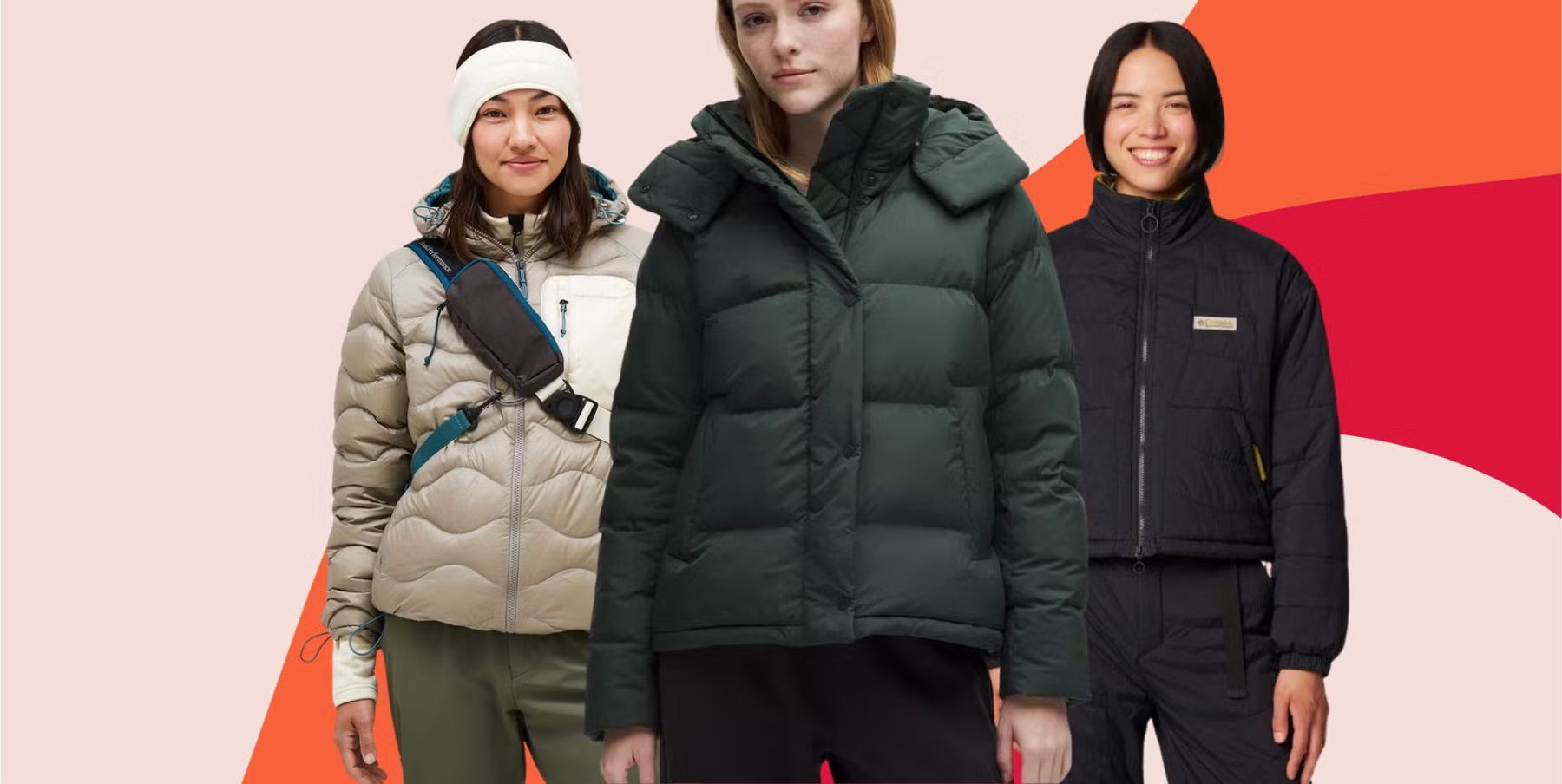
Cold weather has a way of exposing every weak spot in your wardrobe. One minute you feel polished in a clean outfit, and the next you throw on outerwear that turns the whole look into a padded rectangle. Sleek puffer jackets solve that problem when they are chosen with shape, fabric, and proportion in mind, not as emergency blankets with sleeves. For many style-minded fashion readers following modern wardrobe ideas, the goal is simple: stay warm without losing the line of the outfit.
That matters across the USA because winter dressing changes by region. A woman in Chicago may need serious insulation for wind off the lake, while someone in Denver may care more about light layers that move from car to coffee shop. The best coat is not the biggest coat. It is the one that respects your body, your climate, and your daily routine without making every outfit look like ski gear.
Why Sleek Winter Jackets Start With Shape, Not Thickness
A good winter coat does not have to announce itself from across the parking lot. The smartest designs work because they control volume instead of pretending volume does not exist. Sleek winter jackets begin with the cut, then let insulation support the shape rather than swallow it.
How quilting direction changes the whole silhouette
Horizontal quilting can look clean, but wide bands often make the torso appear broader. Narrower channels usually sit closer to the body and create a neater line, especially around the waist and upper arm. That small design choice can decide whether a coat looks refined or stuffed.
Diagonal quilting does something different. It moves the eye across the body rather than straight across it. On a cropped coat, that can add motion and reduce the square effect that many people dislike.
A New Yorker walking from the subway to an office does not need the same look as someone heading to a snowy trail in Vermont. In a city setting, tighter quilting and a sharper shoulder often feel more natural. The coat becomes part of the outfit instead of a survival layer thrown over it.
Why waist placement matters more than people think
A coat can be warm and still have a waist. The trick is avoiding bulky belts that fight with the padding. Internal shaping, gentle side seams, and subtle drawcords create structure without making the jacket look fussy.
Cropped styles work well with high-rise jeans, trousers, and midi skirts because they stop at a natural visual break. Longline coats need more control through the middle, or the body can look hidden under one long padded column.
The unexpected part is that a slightly longer coat can sometimes look slimmer than a short one. When the hem lands mid-thigh and the quilting stays narrow, it creates one clean vertical line. That can feel more polished than a cropped coat that ends at the widest part of the hip.
How Sleek Puffer Jackets Use Fabric, Finish, and Color Wisely
Outerwear looks bulky faster when the fabric catches too much light. Shine has its place, but a glossy coat with thick quilting can look bigger than it is. Sleek puffer jackets often win through restraint: softer finishes, deeper colors, and materials that hold their shape without puffing outward.
Matte fabrics make insulation look quieter
A matte finish absorbs light instead of bouncing it back. That one detail can make padded outerwear look calmer and more expensive. It also helps the coat pair better with denim, wool trousers, knit dresses, and leather boots.
Black is the easy answer, but it is not the only one. Charcoal, deep olive, espresso brown, navy, and warm taupe can look less harsh while staying practical for daily wear. These shades work across American winter wardrobes because they match both casual errands and office layers.
Stylish cold weather coats often depend on what they do not show. No oversized logo. No loud shine. No heavy hardware fighting for attention. The quieter coat usually looks more grown-up because the outfit, not the padding, leads.
Clean hardware keeps the coat from looking sporty
Zippers, snaps, toggles, and drawstrings can push a coat into ski-lodge territory fast. Sleeker versions hide closures, use tonal hardware, or keep details slim. The result feels closer to fashion outerwear than athletic gear.
This matters when you are trying to wear one coat with several parts of your week. A coat that looks fine with leggings may not work with wide-leg trousers and ankle boots. A cleaner design gives you more range.
Non bulky outerwear does not mean thin outerwear. It means the design edits out anything that adds visual noise. When the fabric, hardware, and color all stay calm, even a warm coat can look sharp.
Styling Choices That Make Non Bulky Outerwear Look Intentional
A coat rarely looks sleek by accident. What sits under it and around it changes the final impression. Non bulky outerwear works best when the rest of the outfit gives the coat a clear frame instead of adding more volume everywhere.
Balance volume with slimmer base layers
A padded jacket already brings weight to the upper body. Slimmer knitwear, smooth thermal tops, fitted turtlenecks, and fine-gauge sweaters keep the inside layers from bunching. That makes the outside look cleaner.
This does not mean every outfit needs skinny jeans. Wide-leg pants can look excellent with a puffer when the top layer is cropped or shaped. The key is contrast. If the coat is full, the base layer should stay controlled.
A practical example is a Boston commuter wearing a cropped taupe puffer with black straight-leg jeans, a thin merino sweater, and pointed ankle boots. Nothing about that outfit feels bulky because each piece has a job. The jacket warms; the rest sharpens.
Use accessories to lengthen the line
Accessories can either clean up a winter outfit or clutter it. A long scarf in a fine knit creates a vertical line down the front of the coat. A bulky loop scarf, on the other hand, may make the neck and shoulders look crowded.
Bags matter too. A structured crossbody or top-handle bag keeps the look polished. An overstuffed tote pressed against a padded sleeve can make the whole outfit feel heavier.
A slim puffer coat often looks best with accessories that have shape. Think leather gloves, clean boots, a ribbed beanie, or a compact shoulder bag. Soft does not have to mean sloppy, and warm does not have to mean careless.
Finding Stylish Cold Weather Coats for Real American Winters
A sleek coat still has to do its job. Looking polished means little if you are freezing outside a grocery store in January. Stylish cold weather coats need to match the climate first, then the wardrobe, because comfort always shows on the body.
Match insulation to your actual routine
Someone in Minneapolis needs a different coat than someone in Atlanta. Down or high-quality synthetic fill makes sense where winter bites hard. Lighter insulation works better in milder cities where overheating becomes the bigger problem.
Length should follow routine too. Drivers may prefer shorter coats that do not bunch in the seat. Walkers and public-transit riders often need thigh-length or knee-length options for better coverage.
The counterintuitive truth is that the warmest-looking coat is not always the most useful one. If it makes you sweat indoors, you will unzip it, carry it, or avoid wearing it. A coat you actually wear beats a dramatic one that stays in the closet.
Choose details that survive daily wear
A winter coat lives a hard life. It brushes against car doors, coffee counters, backpacks, rain, snow, and crowded stores. Sleek design helps, but durability decides whether the coat still looks polished by February.
Look for smooth linings that slide over sweaters, cuffs that do not stretch out, and pockets that sit flat when empty. Hoods should feel intentional, not like extra fabric hanging from the neck.
A slim puffer coat with strong stitching and a clean hem can outlast trendier pieces because it does not depend on a gimmick. That is the real secret behind better outerwear. The coat should feel current without looking trapped in one season.
Conclusion
Winter style gets easier once you stop treating warmth and shape as enemies. The right coat does not need to hide your outfit, inflate your frame, or make every day feel like a snowstorm dress code. It should work quietly in the background while still protecting you from the cold.
The best sleek puffer jackets earn their place through proportion, fabric, and restraint. They keep the shoulders clean, control the waist, use thoughtful quilting, and avoid details that make padding look louder than it needs to be. That is why they can move from a school pickup line in Michigan to a dinner plan in Philadelphia without looking out of place.
Do not buy the puffiest coat on the rack because winter scared you into it. Try the coat with the clothes you actually wear, check the side view, move your arms, sit down, and see whether the shape still works. Choose warmth with standards, and your winter outfits will look stronger before you even step outside.
Frequently Asked Questions
How do I choose a puffer jacket that does not look bulky?
Start with narrow quilting, a controlled shoulder, and a hem that hits a flattering point on your body. Matte fabric also helps reduce visual size. Try it over your normal winter layers, not a thin store outfit, so you can judge the true fit.
What color puffer jacket looks the sleekest?
Black is the easiest sleek option, but charcoal, navy, deep olive, espresso, and taupe can look polished too. Darker shades hide puffiness better, while soft neutrals feel refined when the fabric has a matte finish and minimal hardware.
Are long puffer coats more flattering than short ones?
Long coats can look flattering when they have narrow quilting and light shaping through the waist. Short coats work better with high-rise bottoms and skirts. The best choice depends on your height, proportions, and how much coverage your winter routine needs.
Can a puffer jacket look dressy enough for work?
A puffer jacket can look work-ready when it has clean lines, subtle hardware, and a neat finish. Choose a dark or neutral color, avoid oversized logos, and pair it with tailored trousers, polished boots, or a structured bag.
What should I wear under a puffer jacket to avoid bulk?
Fine-gauge sweaters, thermal tops, fitted knits, and smooth turtlenecks work best. Thick hoodies and chunky sweaters can bunch under the arms and chest. Warm base layers often create a cleaner look than one heavy layer.
Do belts make puffer jackets look slimmer?
Belts can help, but only when they are subtle and built into the design. Wide external belts may add clutter and make the padding look forced. Internal drawcords or gentle waist seams often create a cleaner shape.
What shoes look best with a sleek puffer coat?
Ankle boots, knee-high boots, clean sneakers, and lug-sole boots all work, depending on the outfit. The key is balance. Sleeker shoes polish the coat, while heavy boots need a cleaner coat shape so the full look does not feel weighed down.
How can I make an old puffer jacket look more stylish?
Keep the rest of the outfit sharp. Add fitted layers, better boots, a structured bag, and a neat scarf. If the jacket looks worn, clean it properly, refresh the fill if possible, and avoid pairing it with other oversized pieces.
About the Author