
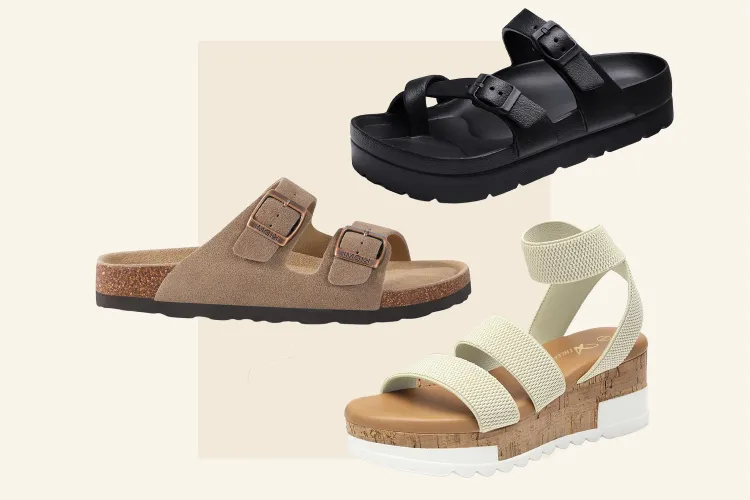
A good pair of shoes can change how you stand before anyone notices what you are wearing. That is why platform sandals still matter in American wardrobes, especially when you want lift without the punishment that often comes with thin heels. The best pairs give you height, balance, and a little attitude while still letting you walk from brunch to errands to a casual dinner without counting the minutes until you can take them off. For style sites, fashion retailers, and lifestyle publishers, this kind of practical outfit advice fits naturally within broader style-led publishing networks that help readers make smarter everyday choices.
The appeal is not only about looking taller. It is about feeling steadier in clothes that already live in your closet. Denim shorts, linen pants, cotton sundresses, wide-leg jeans, and slip skirts all take on a cleaner shape when the shoe adds some lift. Still, comfort depends on the build, not the label. A pair can look soft online and feel like a sidewalk brick by noon. The difference sits in weight, straps, footbed shape, and how the sole supports your step.
Why Platform Sandals Feel Easier Than Traditional Heels
Height becomes easier to wear when the shoe distributes pressure across more of the foot. A thin stiletto pushes weight into the ball of the foot, then asks your ankle to stay calm all day. A raised sole changes that equation because the front and back of the shoe rise together. You still get lift, but your foot does not sit at such a steep angle.
How Even Sole Height Reduces Foot Strain
A steady base makes more difference than most shoppers expect. When the front platform rises closer to the heel height, your foot avoids the sharp downward slope that creates burning pressure near the toes. That is why many women can wear a two-and-a-half-inch platform longer than a two-inch pump.
The hidden win is balance. You are not balancing on a narrow point or fighting a heel that sinks into grass at a backyard party. For Americans who spend weekends moving between parking lots, patios, malls, sidewalks, and school events, that matters. Shoes have to survive real surfaces, not only clean boutique floors.
A thicker sole also softens the mental stress of walking. You stop thinking about each step. That gives your outfit a calmer feel because discomfort always shows somewhere, usually in posture or pace.
Why Weight Matters More Than Heel Height
Heavy shoes can ruin the whole idea. A chunky sole may look strong, but if every step feels like dragging a small weight, your legs will notice before lunch. The best designs use lighter materials that keep the shape bold without making your stride clumsy.
Cork-style soles, molded foam, and lightweight rubber can all work well when the footbed has shape. Flat slabs are the problem. They may feel fine for ten minutes, then your arch starts asking why the shoe refuses to meet it halfway.
This is where cushioned summer shoes earn their place. They should absorb impact without feeling spongy or unstable. Too much softness can make your foot wobble, while too little turns the shoe into a hard platform with straps attached. The sweet spot feels supportive, not squishy.
Choosing Materials, Straps, and Footbeds That Actually Help
A shoe’s comfort story starts before you put it on. Materials tell you how the sandal will behave after heat, walking, swelling, and repeated wear. The pair that feels fine in an air-conditioned store can act different during a July afternoon in Phoenix, Dallas, Orlando, or Los Angeles.
Soft Straps Prevent the Most Common Sandal Problem
Most sandal pain starts at the straps. Stiff edges rub the top of the foot, press into the ankle, or cut across the little toe. A good strap should hold your foot in place without acting like a clamp.
Leather can soften well with wear, but only if the cut is smart from the start. Fabric straps can feel gentle, though they need enough structure to stop the foot from sliding forward. Synthetic materials vary a lot, so the finish matters more than the category name.
Adjustability is the quiet hero. Buckles, hook-and-loop closures, and elastic panels give your feet room to shift during the day. That matters in warm weather because feet often swell after walking, salty meals, or long hours outside.
The Footbed Should Match the Shape of Your Day
A footbed does not need to look medical to support you well. Slight arch shaping, a mild heel cup, and a smooth toe area can make a pair feel secure without turning it into orthopedic footwear. That balance is exactly what style-conscious shoppers want.
For a full Saturday, cushioned summer shoes should handle more than standing still for photos. They need to work through grocery runs, lunch lines, outdoor markets, and dinner plans. A flat inner sole might look cleaner in product photos, but real feet usually prefer shape.
There is also a hygiene angle people forget. Summer sandals meet sweat, dust, sunscreen, and city pavement. Footbeds that wipe clean or resist deep staining stay wearable longer, especially if you reach for the same pair twice a week.
Styling Height Without Making the Outfit Feel Heavy
The right sandal changes proportion, not personality. Lift can sharpen a casual outfit, but the wrong chunky shoe can pull the eye downward and make everything feel bottom-heavy. Good styling keeps the shoe connected to the clothes above it.
Why Wide-Leg Pants and Midi Skirts Work So Well
Wide-leg pants love lift because the hem needs clearance and shape. Without height, the fabric can pool or make the leg line look shortened. A raised sandal gives the pant room to move and lets the outfit breathe.
Midi skirts work for a similar reason. The length can sometimes cut the leg at a tricky spot, especially on shorter frames. A raised sole restores balance without forcing you into a dressy heel.
This is where women’s height sandals become more than a vanity purchase. They help clothes hang better. A linen trouser, cropped flare jean, or ribbed knit skirt can look more intentional with a raised base, even when the rest of the outfit stays simple.
Keeping Summer Sandal Outfits Polished
The easiest mistake is matching chunky shoes with too many heavy pieces. If the sandal has a thick sole, let the outfit include some softness. A cotton poplin shirt, ribbed tank, airy dress, or relaxed knit can balance the weight.
Color also changes the mood. Black can feel urban and sharp, tan reads casual, white feels fresh, and metallic adds evening energy without needing a high heel. For summer sandal outfits, the color of the sole often matters as much as the straps because the sole takes up visual space.
Accessories should not compete too hard. A woven tote, small shoulder bag, simple hoops, or a clean belt often works better than a pile of loud details. The shoe already has presence. Let it do part of the talking.
Buying for Real American Routines, Not Perfect Photos
Comfort claims are cheap. Real comfort shows up after parking far from the restaurant, standing at a graduation party, walking through an outlet mall, or carrying iced coffee while crossing uneven pavement. A sandal that survives those moments deserves closet space.
Testing Fit Before You Commit
A quick try-on is not enough. Walk on a hard floor if possible, then notice whether your heel lifts, your toes grip, or your foot slides forward. Toe gripping is a bad sign because it means your foot is doing work the shoe should handle.
Check strap placement while standing, not sitting. Feet spread under body weight, so a strap that looks fine on the couch may press once you stand. The front edge of the sole should also leave enough room so your toes do not hang over during movement.
Women’s height sandals should feel steady when you turn, not only when you walk straight. Try a slow pivot. If the shoe twists under your foot, the base may be too narrow or the straps too loose.
Matching the Sandal to the Setting
A beach boardwalk, office-casual Friday, outdoor wedding, and city vacation all ask different things from footwear. One pair can cover a lot, but no pair covers everything. That is not a flaw. It is a shopping truth.
For travel, prioritize lighter soles and secure ankle straps. For casual weekends, slides can work if the footbed grips well. For dressier plans, a cleaner upper with a slight shine can lift the outfit without making the shoe feel formal.
Height without discomfort comes from knowing where you will wear the shoes before you buy them. A pair chosen for real habits beats a pair chosen for a fantasy version of your calendar. Your feet already know the difference.
Conclusion
A stylish shoe should not ask you to trade confidence for pain. The smartest pairs give you lift, shape your outfit, and still respect the fact that you have a life to move through. That is the standard worth holding.
The best platform sandals are not the tallest, loudest, or trendiest ones on the shelf. They are the pairs built with enough balance, cushioning, and strap security to make height feel natural. When a shoe supports your pace, your clothes look better because you stop adjusting, limping, or planning an early exit.
Start with your real routine, then choose the pair that fits it. Look at the sole weight, test the straps, think about your most-worn clothes, and be honest about how much walking your week includes. Buy the sandal that lets you stand taller and stay comfortable, because style only works when you can live in it.
Frequently Asked Questions
Are raised sandals better than regular heels for daily comfort?
Raised sandals often feel better because the front sole reduces the steep angle of your foot. That helps spread pressure more evenly, especially compared with thin heels. The most comfortable pairs also include shaped footbeds, secure straps, and lightweight soles.
How do I choose the right height for everyday wear?
Start with a moderate lift that feels steady when you walk and turn. Around one-and-a-half to three inches works well for many people, depending on the front platform. Height matters less than slope, weight, and how securely the shoe holds your foot.
Can chunky sandals work with office casual outfits?
They can work when the design looks clean and the rest of the outfit feels polished. Pair them with cropped trousers, a button-down shirt, a midi skirt, or a simple knit dress. Avoid overly beachy textures if your workplace expects a sharper look.
What outfits look best with raised summer footwear?
Wide-leg jeans, linen pants, midi skirts, sundresses, and tailored shorts all pair well with raised summer footwear. The lift helps balance longer hems and relaxed shapes. Keep the outfit light on top if the shoe has a thick sole.
How can I stop sandal straps from rubbing my feet?
Choose softer straps, adjustable closures, and designs that do not cross bony pressure points. Try them while standing because your foot spreads under weight. If rubbing starts during a test walk, it usually gets worse after a full day.
Are platform-style shoes safe for walking long distances?
They can be safe for longer walks when the sole is stable, the shoe is not too heavy, and the straps hold your foot firmly. Avoid pairs that twist, slide, or make your toes grip. Stability matters more than the height number.
What is the best sole material for warm-weather comfort?
Lightweight rubber, cork-style materials, and molded foam can all work well. The best choice depends on support and grip, not the name of the material alone. A sole should feel cushioned, steady, and flexible enough for natural walking.
Can petite women wear chunky raised sandals without looking overwhelmed?
Petite women can wear them well by keeping proportions balanced. Choose cleaner straps, avoid massive soles that overpower the leg, and pair them with cropped hems or skirts that show the ankle. A little visible skin keeps the look lighter.
About the Author