
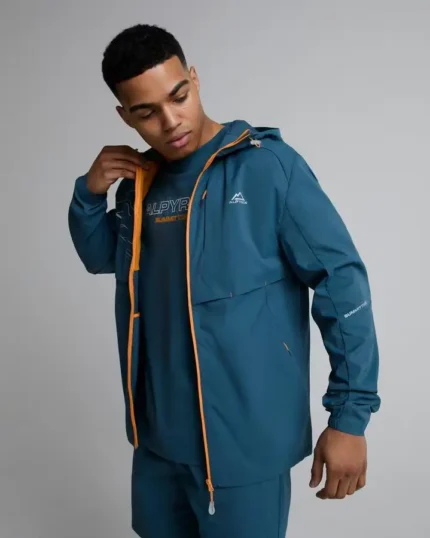
A good wardrobe for your twenties should survive a change of timetable. One day may involve three university seminars and a late train; the next could bring an internship interview, a shared office or an evening out with colleagues. Buying separate clothes for every possible occasion sounds appealing until you consider the cost and storage space. A more useful approach is to own a limited number of pieces that can change character through simple combinations. Modern streetwear is well suited to this idea, particularly when its relaxed staples are balanced with cleaner trousers and dependable outerwear. Alpyrex offers several silhouettes worth considering, but the real skill lies in organising the wardrobe around the life you actually lead.
Begin with the clothes you already reach for
Before shopping, empty the part of your wardrobe that gets regular use. Put aside the trousers, tops and shoes you wear without thinking. These are your starting pieces, not evidence that your style needs replacing.
Look for patterns. Perhaps you wear black jeans three days a week, or always choose a grey sweatshirt when the weather turns. That tells you which colours and shapes will be easiest to build around. Adding one complementary jacket may do more than buying a completely new outfit in an unfamiliar palette.
For students, a useful base might be two pairs of everyday trousers, several plain T-shirts, a hoodie or sweatshirt and comfortable shoes. A young professional can use almost the same foundation, then introduce an Oxford shirt, neater trousers or more polished footwear for workplaces with relaxed dress expectations.
Give outerwear more than one responsibility
A coat is often the most visible part of an outfit during the British autumn and winter. It also tends to be one of the larger purchases, so choosing a shape that works beyond one specific look is sensible.
The Alpyrex range includes the Element, Lead and Tarax puffers, plus windrunner and soft-shell styles. Those categories suggest different visual weights: puffers make a stronger statement in cold-season outfits, while windrunners and soft-shell silhouettes can appear less bulky.
For an everyday university look, try a dark outer layer over a hoodie, straight-leg jeans and trainers. For a workplace with a casual dress code, switch to a plain crew-neck top and dark chinos. The jacket may remain the same, but the overall outfit becomes more restrained.
Check with your employer or placement provider before assuming any streetwear outer layer is suitable on site. A client-facing role and a creative studio may have very different expectations.
Make the student budget work harder
Student fashion can be tempting because trends move quickly and social feeds make each new item feel urgent. Yet buying something solely because it looks striking in a short video does not guarantee it will work with the rest of your clothes.
Use a simple cost-per-wear thought experiment. If a garment will be worn twice a week over several months, it may justify more attention than one that only matches a single event. This is not an instruction to choose the cheapest piece. It is a reason to weigh versatility, fit and genuine need before spending.
The alpyrex coat category, for example, includes both puffers and lighter-looking options. Comparing those shapes against your current outerwear is more useful than treating the category as a list of items you ought to own.
A practical three-outfit test
Before buying, create three combinations using what is already in your cupboard. One should suit an ordinary weekday, another a weekend outing and the third a slightly smarter social occasion. If the garment fits naturally into all three, it has a stronger case for purchase.
You can perform the same test with colour. Photographing clothes laid out together often reveals awkward combinations that are less obvious when each item is viewed separately online.
Moving from lecture hall to workplace
The transition from student life to professional routines rarely requires abandoning casual clothing altogether. Instead, pay attention to finish and proportion. A well-fitting dark sweatshirt with simple trousers can look more considered than a poorly fitting shirt and formal shoes.
For a shared office or informal meeting, try a fine-knit crew neck, charcoal trousers and clean trainers, with a jacket for the journey. If trainers are unsuitable, substitute understated leather shoes. For a Friday evening, change the knit for a T-shirt and keep the outer layer. You have created a different mood without carrying an entirely new outfit.
A quarter-zip top can bridge some of that gap, particularly in a workplace where sporty casualwear is normal. The Solo 2.0 Quarter Zip Top in the Alpyrex catalogue is one example of the style, though suitability still depends on the individual workplace and how you combine it.
Plan around actual travel and weather
A fashionable outfit is not much use if it makes your daily journey awkward. Think about walking distance, crowded transport and time spent in heated rooms. Removable layers are often easier to manage than a complicated collection of accessories.
Keep seasonal needs separate from styling assumptions. A puffer can look appropriate on a cold day, but you should check its actual product details and fit before deciding it meets your requirements. Equally, a sporty-looking windrunner should not automatically be treated as waterproof. An umbrella or dedicated rain shell may still be necessary.
Use neutral basics to make seasonal changes straightforward: the same black trousers and trainers can accompany a light jacket in September and a padded coat later in the year.
Build slowly, dress confidently
There is no need to purchase a complete new wardrobe when life shifts from campus to work. Begin with garments you wear repeatedly, identify genuine gaps and choose additions that combine with several existing pieces.
Alpyrex-inspired outerwear can contribute to a relaxed, contemporary look, but the most convincing outfits come from thoughtful choices rather than a single brand name. A student with limited space and a young professional managing a changing schedule need much the same thing: clothes that are easy to combine, appropriate for the day and comfortable within their own sense of style.
About the Author