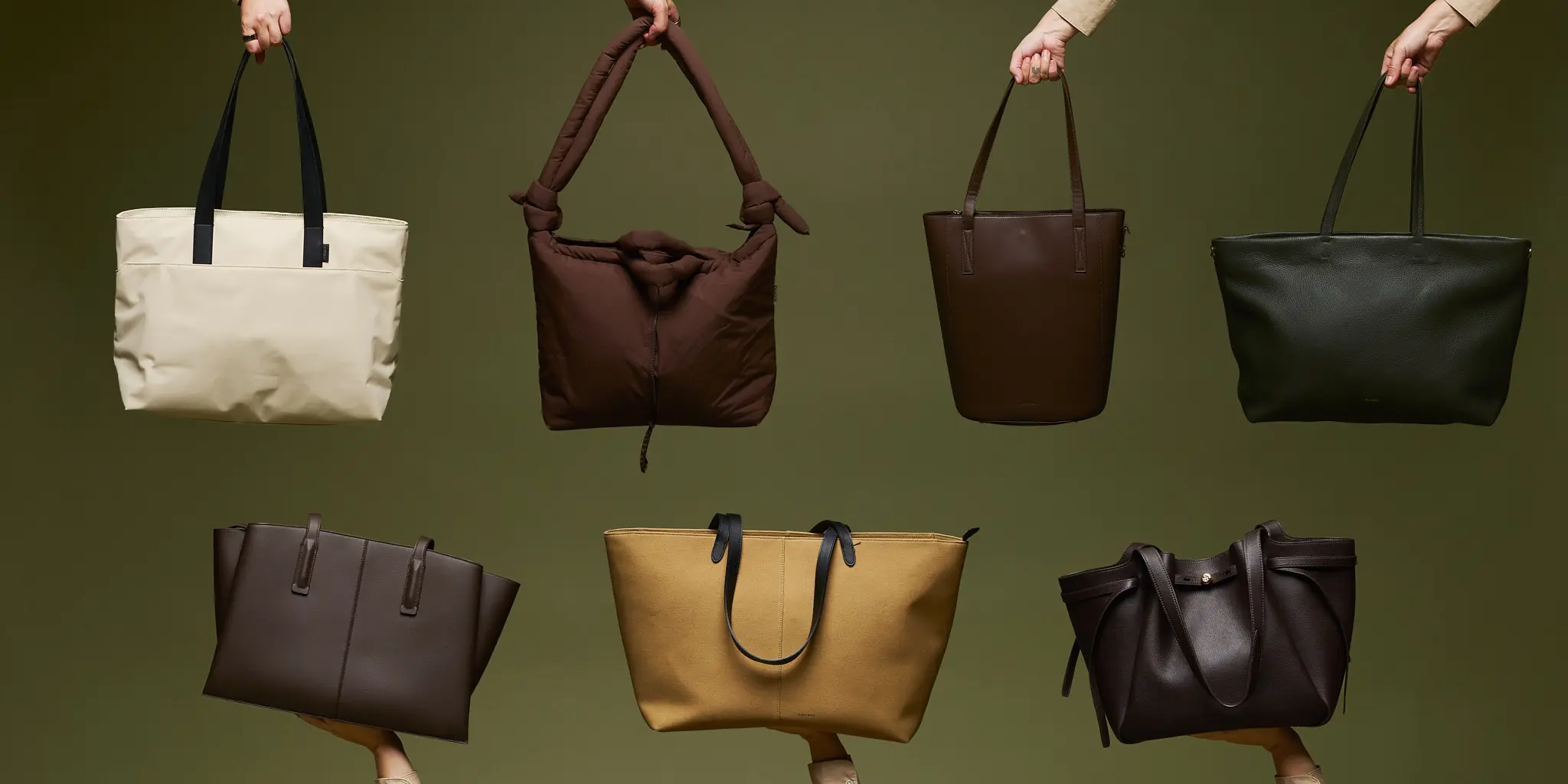
A soft, shapeless bag can ruin a sharp outfit faster than most people want to admit. When your calendar moves from desk work to dinner plans, work handbags become less about carrying things and more about looking prepared without trying too hard. That is why a structured shape still matters in a closet full of trends.
A good bag should hold your phone, wallet, keys, makeup, planner, and maybe a small tablet without collapsing into a pile every time you set it down. For American women commuting through New York, driving to meetings in Dallas, or heading from a Chicago office to a weekend event, that kind of quiet order is not cosmetic. It changes how the whole day feels.
Style advice can get noisy, but useful fashion still comes down to choices that earn their space. Trusted lifestyle resources like modern style and brand visibility insights often point to the same truth: polish works best when it feels natural. The right handbag does not shout. It holds the outfit together.
Why Work Handbags Need More Than Good Looks
A bag that looks beautiful on a shelf can fail the moment real life touches it. The difference appears when you place it on a conference table, reach for your badge at a parking garage, or walk into a restaurant after a long day. Shape, scale, and structure decide whether the bag supports you or makes you fuss with it all afternoon.
The Quiet Power of a Bag That Stands Upright
A structured bag gives you one small but constant advantage: it behaves. It does not slump under a desk, spill its contents in the passenger seat, or make you dig through a dark interior while someone waits. That sounds minor until it happens three times in one morning.
This is where structured purses earn trust. A firm base, steady handles, and a defined body create order before you even open the bag. In an office setting, that order reads as calm. At an event, it reads as intention.
Think about a lawyer walking into a courthouse in Boston with a sleek top-handle bag beside her files. The bag is not the main point, but it supports the message. She looks ready because every piece of the look knows its job.
Why Size Can Make or Break the Whole Choice
Oversized bags often promise freedom, then turn into portable storage closets. Tiny bags look charming in photos, then leave you holding your keys in one hand and your phone in the other. The sweet spot is not about trend size. It is about the life you actually live.
Office bags need enough room for daily tools without looking like luggage. A medium tote, satchel, or framed shoulder bag often works better than anything extreme. It can carry what matters and still look clean next to a blazer, knit dress, or tailored coat.
A counterintuitive truth shows up here: a smaller structured bag can feel more expensive than a large one. The shape does the work. When the frame is firm and the proportions are sharp, the bag looks considered even if the outfit is simple.
Choosing Materials That Survive Real Days
A handbag has to face more than compliments. It deals with rain on a parking lot walk, coffee shop counters, crowded elevators, and the rough edge of a laptop sleeve. Materials decide whether the bag ages with character or starts looking tired after a month.
Leather, Vegan Leather, and the Feel Test
Good leather still has a strong place because it softens with wear without losing its shape. Full-grain and pebbled finishes often hide small marks better than glossy smooth surfaces. For daily use, that matters more than a perfect showroom finish.
Vegan leather has improved, and some options look sharp enough for meetings and events. The key is touch. If the surface feels plastic, too thin, or overly shiny, it may cheapen polished handbag styles no matter how clean the design looks.
A smart shopper checks the corners, stitching, lining, and zipper pull before falling for color. Corners take the first hit in daily wear. If they already look weak in the store, they will not get stronger after a month of commutes and restaurant chairs.
Hardware Should Whisper, Not Argue
Hardware can make a bag look refined, but it can also make it look loud. Heavy chains, giant logos, and bright metal plates pull attention away from the outfit. That may work for one night, but it rarely works across a full week.
For event handbags, the best hardware often feels intentional rather than flashy. A slim clasp, quiet lock, small buckle, or clean metal feet can add enough interest without turning the bag into a costume piece. The detail should catch light, not demand a speech.
One unexpected rule helps: choose hardware you would also wear as jewelry. If you would not wear that gold tone, silver finish, or logo size on your wrist or neck, it may not belong on your bag either.
How to Match Shape With Work and Event Outfits
The right handbag shape should speak the same style language as your clothes. A bag can sharpen soft outfits, soften strict tailoring, or give simple basics a finished edge. The goal is not to match everything perfectly. That often looks stiff. The goal is balance.
Satchels and Top-Handle Bags for Professional Polish
Satchels and top-handle bags have a built-in sense of order. They pair well with blazers, trousers, pencil skirts, shift dresses, and wool coats because they echo the same clean lines. This is why they remain common in offices from Washington, D.C. to San Francisco.
Structured purses with a top handle also work because they change posture. You carry them with more care. That small physical shift affects the entire look, especially when you walk into a meeting or arrive at a formal lunch.
The danger is going too stiff. A rigid black satchel with a severe suit can feel cold. A softer neutral, curved flap, or textured finish can keep the look professional without making it feel like armor.
Shoulder Bags and Mini Totes for After-Hours Ease
Shoulder bags bring a different kind of confidence. They leave your hands free, sit close to the body, and work well when the day moves into cocktails, dinner, or a gallery opening. A compact shoulder bag can keep office clothes from feeling stuck at the office.
Mini totes also deserve attention because they bridge the gap between daily function and event style. They offer more room than a clutch but look more polished than a casual crossbody. That makes them useful for weddings, fundraisers, rooftop dinners, and holiday parties.
Event handbags do not need to sparkle to feel special. A clean shape in burgundy, ivory, espresso, navy, or soft metallic can do more than a glitter bag you only use once. The best dressy pieces still feel like they belong to you the next morning.
Building a Handbag Wardrobe That Feels Intentional
A strong handbag wardrobe does not need ten bags fighting for attention. It needs a few sharp choices that cover the way you dress, work, and socialize. When each bag has a role, getting dressed becomes faster and less frustrating.
The Three-Bag Formula That Covers Most Weeks
Most women can build a strong rotation around three choices: a daily structured tote or satchel, a smaller shoulder bag, and one refined event piece. That mix covers meetings, errands, dinners, weddings, and most professional gatherings without cluttering the closet.
Office bags should usually come first because they carry the heaviest load. Choose a neutral shade that fits most of your wardrobe, then let texture or shape add interest. Black is safe, but tan, chocolate, taupe, deep green, or navy can feel richer with the same amount of flexibility.
The second bag should handle the in-between moments. A medium shoulder bag or compact top-handle style can move from brunch to client lunch without looking overdressed. This is where polished handbag styles become useful instead of decorative.
When to Spend More and When to Hold Back
A daily bag deserves the bigger budget because cost per wear drops fast. If you carry it four or five days a week, better construction pays you back through comfort, durability, and confidence. Cheap handles and weak lining get old faster than any trend.
Event pieces can be more playful, but they still need restraint. Spending a fortune on a bag that only works with one dress rarely makes sense. A smarter choice is a refined small bag that works with a black dress, a satin skirt, a jumpsuit, and tailored evening pants.
The most surprising buying lesson is that restraint often looks richer than abundance. One excellent bag in a clean shape can make five outfits look better. Five average bags rarely return the favor.
Conclusion
A handbag should make your day feel smoother, not heavier. The best choices create order, frame your outfit, and move with you from a morning meeting to an evening plan without asking for attention at every stop. That is why shape matters so much.
When you shop, start with your real calendar instead of your fantasy one. Look at how often you commute, how much you carry, how formal your workplace feels, and how many events you attend in a normal month. Then choose work handbags that match that life, not the version of it staged in a product photo.
A strong bag does not need to announce its price. It needs balance, structure, good proportions, and a finish that works hard without looking tired. Choose the piece that makes your clothes look sharper and your routine feel calmer, then let it become part of your signature.
Frequently Asked Questions
What makes a structured handbag better for office outfits?
A structured shape keeps its form throughout the day, which makes an outfit look more polished. It also protects items better, stays organized, and looks appropriate in meetings, interviews, and client-facing settings where a slouchy bag may feel too casual.
Are structured purses still fashionable for modern wardrobes?
Yes, structured purses remain fashionable because they offer clean lines that work with both classic and current outfits. They pair well with blazers, denim, dresses, coats, and tailored separates, making them more reliable than trend-heavy bag shapes.
Which colors are best for office bags in the USA?
Black, tan, chocolate brown, navy, taupe, and deep burgundy are strong choices for American workplaces. These shades pair easily with common office wardrobes and look refined without feeling too formal or too seasonal.
Can event handbags be used during the day?
Yes, event handbags can work during the day when the design is refined instead of overly decorative. A small structured shoulder bag, mini tote, or top-handle piece in leather, satin, or soft metallic can transition well from lunch to evening plans.
How many polished handbag styles does one closet need?
Most closets need three polished handbag styles: one daily office bag, one medium bag for mixed plans, and one smaller event piece. That gives enough range without wasting money on bags that repeat the same purpose.
What size handbag works best for both work and events?
A medium structured bag works best when you need one piece for both settings. It should hold daily basics without looking bulky. Look for a shape that fits a phone, wallet, keys, makeup, and small extras while still closing neatly.
Are designer handbags always worth the investment?
Designer handbags are worth it only when construction, material, and wearability match the price. A famous logo cannot save poor proportions or weak function. A lesser-known bag with strong structure and quality details can be the smarter buy.
How do I keep a structured handbag looking new?
Store it upright, keep it filled with tissue or a soft insert, and avoid overpacking. Wipe marks quickly, protect it from rain when possible, and rotate bags during the week so one piece does not take all the wear.
Generated from your uploaded brief.
About the Author